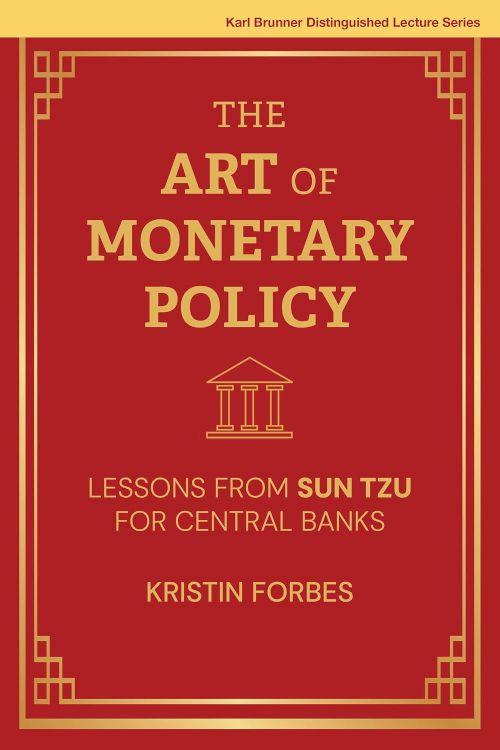
This (very short) book extends a lecture given by Forbes, in which she draws on the work of the Chinese philosopher Sun Tzu from the fifth century BC. Sun Tzu’s writings on the ‘art of war’ can be applied in different contexts, although the analogy of war may not always seem appropriate. However, here it is skilfully used as a framework for reflecting on central banking over the past twenty years.
I don’t know enough about war to judge whether Sun Tzu’s assertion that planning in advance helps to secure victory in battles, but I do very much agree with Forbes’ contention that central banks need to be well-prepared for different challenges. Thinking back to being in the Bank of England when the GFC unfolded, much policy development had to be done at a very rapid pace and the decisions taken felt risky. The need to prepare for abnormal times has become even clearer as a result of the series of major and different shocks which have hit since then.
Many of these shocks have been external, global events reflecting the ‘heavenly’ events which Sun Tzu identified as risks to an army. Forbes charts the increasing synchronisation of growth, inflation and monetary policy and so the increasingly dominant role of international events driving macroeconomic policy. This is tending to reduce the ability of central banks to manage the economy. She suggests that target ranges for inflation, and better use of scenarios aimed at supporting economic actors to consider their own resilience, would improve the ability to manage these shocks.
In addition, the tactical position of central banks is improved if macroprudential policy is used to boost resilience. Stress scenarios should move beyond a focus on the mortgage market and consider a wide range of possible points of failure (such as the UK pension funds’ positioning ahead of the LDI crisis).
There is an interesting discussion about the choice of strategies and instruments, including warnings about ensuring that QE is used when circumstances suggest it will be effective, not as a cure-all tool. A (perhaps preliminary) judgement on QT is that this can be used in the background regardless of what is happening with interest rates changes. Forbes also argues that the use of some unconventional tools, including forward guidance on interest rates and commitments to future QE purchases, reduced needed flexibility when monetary tightening became appropriate in late 2021. One conclusion from this is that forward guidance needs to be state dependent, not time dependent. She also argues against creating strong expectations ahead of a monetary policy meeting, thinking it a disadvantage that: ‘many investors became accustomed to central banks signalling changes in monetary policy before the actual decision’. I very much agree with this.
Forbes points out that central banks did not fully consider the costs and benefits of QE programmes. In the GFC, this was mainly due to the extremely rapid pace of largely unforeseen events. Fiscal costs from QE need to be set against benefits which, outside periods of evident financial market stress, are not easy to assess. Outside of a severe crisis, governments should be consulted on the scale of QE programmes.
The book ends on an optimistic note, arguing that even in the face of big external shocks affecting many countries, domestic monetary policy still matters. Sadly, this point is illustrated by graphs which really do not work in black and white. This is the second book in succession I have reviewed where charts should have been turned into tables where possible as without colour they are extremely hard to interpret. Otherwise, this is an elegant and thoughtful reflection on learnings about how to operate monetary policy, although personally I would have welcomed more thought about fiscal co-ordination.
More Book Reviews
All Reviews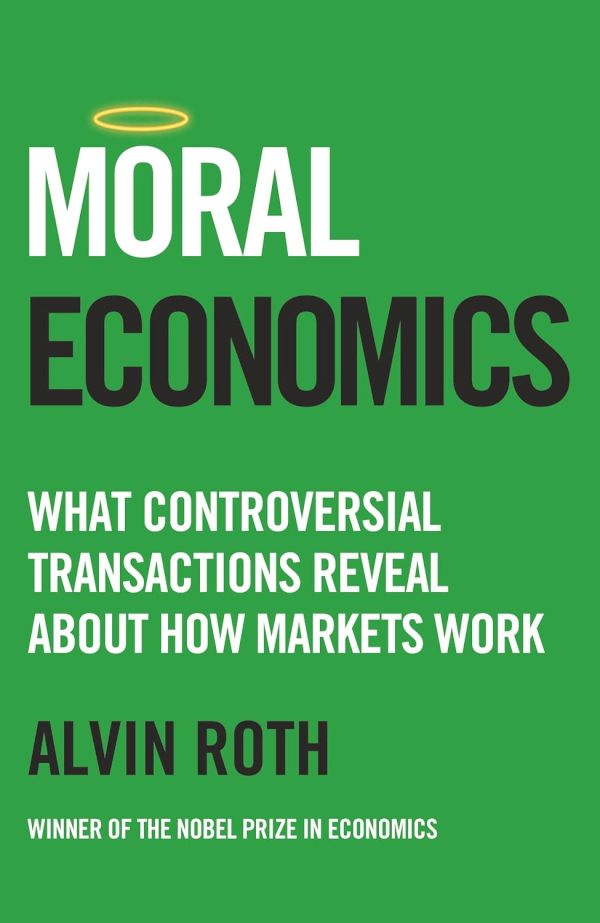
Moral Economics: What Controversial Transactions Reveal About How Markets Work
Moral Economics is an unusual book in the sense that it is a book about the things that we, collectively as a society, have decided at some point in time we do...
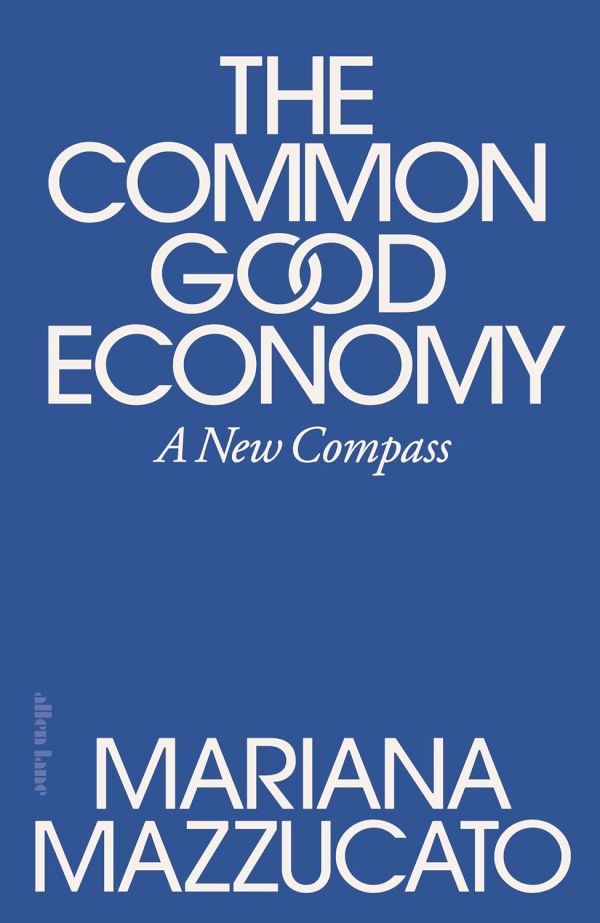
The Common Good Economy: A New Compass
I was looking forward to reading this one. Mariana Mazzucato’s earlier book The Entrepreneurial State sits proudly on my shelf, between my copies of JM...
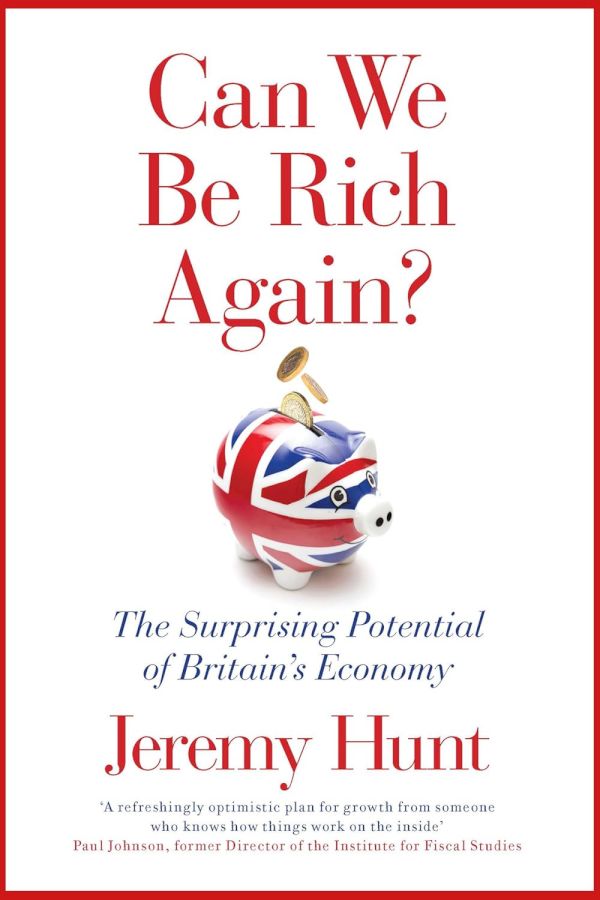
Can we be rich again? The surprising potential of Britain’s economy
Jeremy Hunt has been culture secretary, heath minister, foreign secretary and most recently Chancellor in Rishi Sunak’s government. His stint at HM Treasury...